NBC (Nuclear, Biological, and Chemical) Marking Set

20260916

This NBC (Nuclear, Biological, and Chemical) Marking Set was used by NATO military forces to identify areas that had been contaminated by nuclear, biological, or chemical hazards. The kit contains brightly colored triangular signs that could be quickly recognized in the field. The white “ATOM” sign warned of nuclear or radiological contamination, while the other colored markers were used to identify biological and chemical hazards.
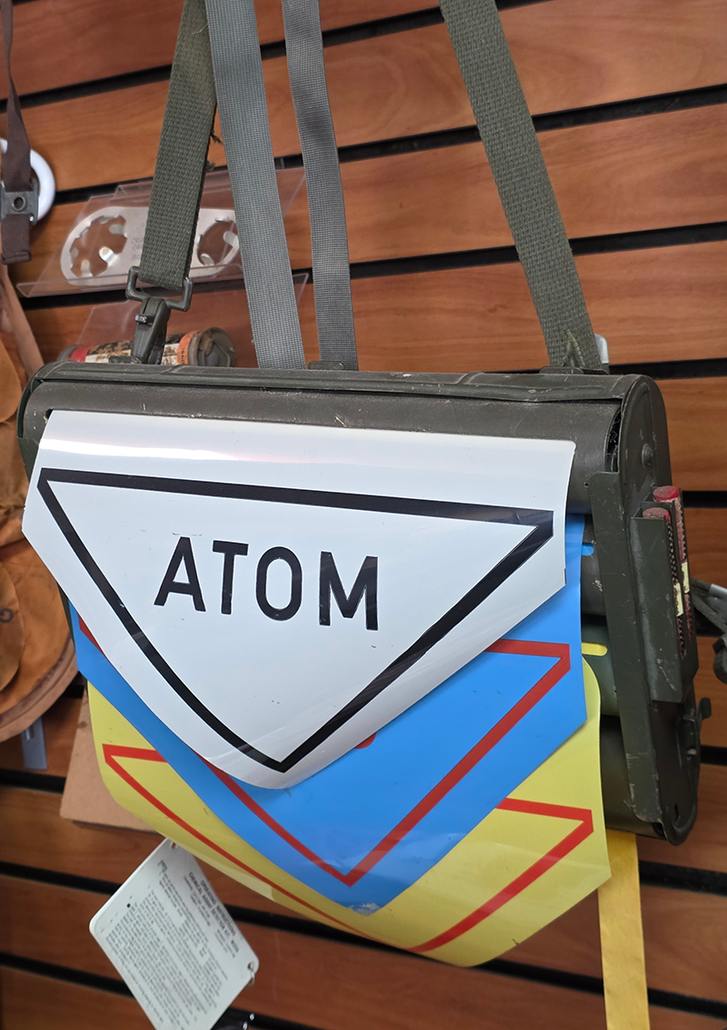
These signs could be placed along roads, fences or around the boundaries of a contaminated area to warn military personnel of the danger ahead. In addition to identifying the type of hazard, information could be added to the markers to help troops understand when and where contamination had been detected. This was an important part of NBC defense: detecting a hazard was only the first step. Soldiers also needed a simple way to mark the area and warn others who might be approaching it.

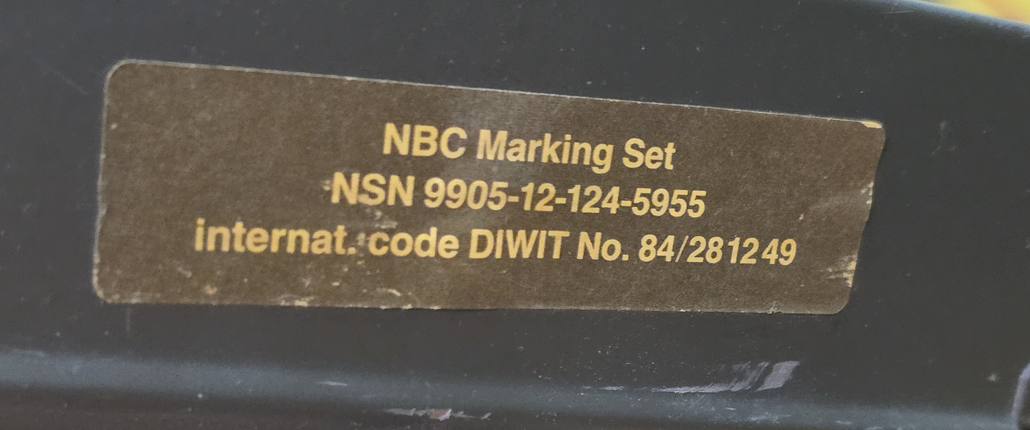
This particular set is of German manufacture. The “12” in its NATO Stock Number (NSN 9905-12-124-5955) identifies Germany as the country that assigned the stock number. Sets like this are closely associated with the Cold War, when NATO forces regularly trained for the possibility of nuclear, biological and chemical warfare in Europe. We often think of the Cold War in terms of nuclear weapons and the threat of an attack, but items like this show another side of that history—the preparations made for what might happen afterward and the everyday equipment soldiers would have needed to work safely in a contaminated area.
20260916

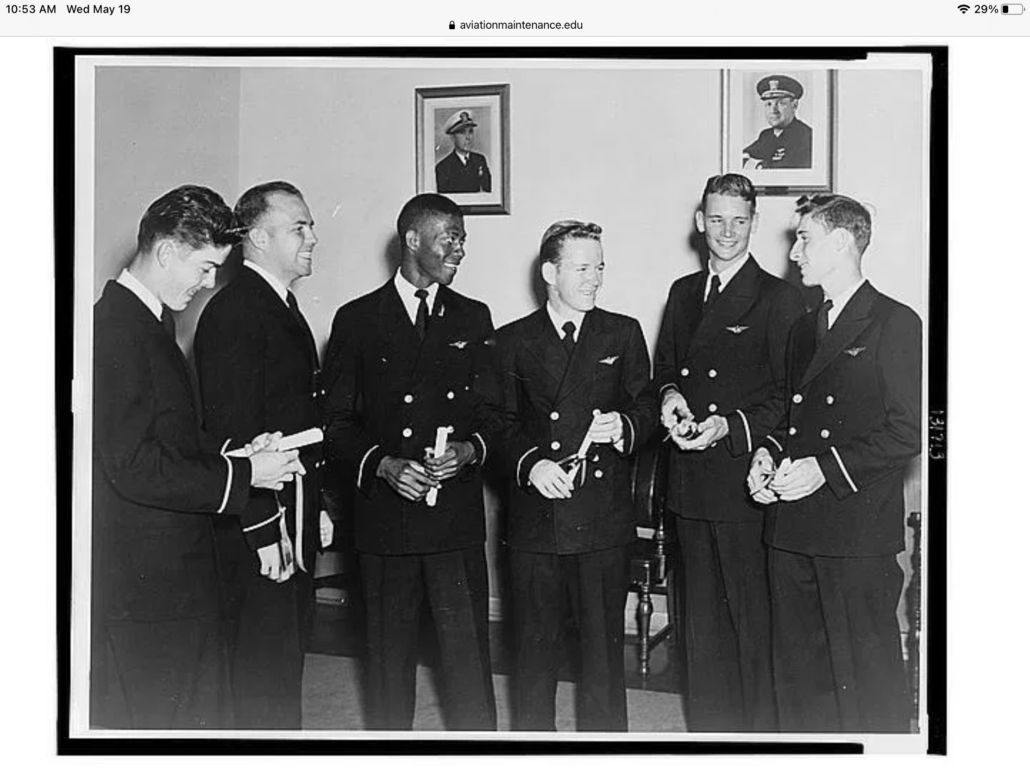
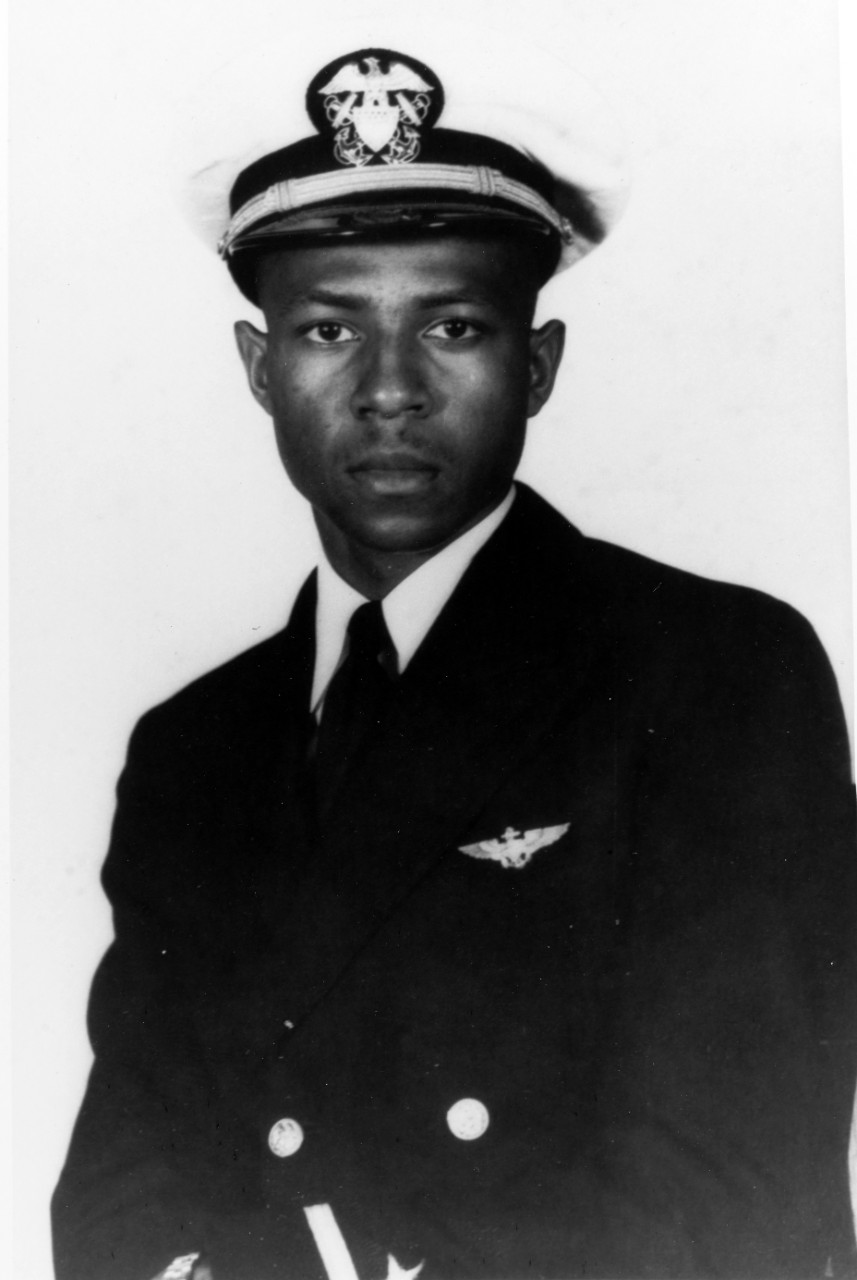
The book DEVOTION tells the inspirational story of two naval aviators during the Korean War, Tom Hudner and Jesse Brown. A member of the white upper class from New England, Tom passed up the opportunity to attend Harvard University to attend the U.S. Naval Academy. After graduation, he served in the fleet for two years before earning his naval aviator wings. Jesse, an African American sharecropper’s son from Mississippi, attended Ohio State University studying architecture.  While at Ohio State, Jesse joined the Navy’s V-5 program that would eventually send him to flight school to earn his wings. Through sheer grit and determination, he broke through every barrier to become the Navy’s first black fighter pilot. In 1949, Tom and Jesse joined up as wingman and lead at Fighter Squadron 32 (VF-32), with Jesse, albeit junior in rank to Tom, being the lead.

Ensign Jesse L Brown

 In 1950, during the UN (United Nations) forces withdrawal from the Chosin Reservoir, Tom and Jesse flew CAS (close air support) to prevent the UN forces from being overrun by enemy troops. On December 4th, 1950, during a CAS mission, Jesse’s plane was hit by small arms fire from the ground. He safely crash-landed in the snow but was trapped inside his aircraft. On seeing this, Tom intentionally crashed his airplane near Jesse in order to help. (Other members of their flight coordinated the dispatch of a rescue helicopter and flew high cover to prevent their capture). Tom and the helicopter pilot, 1LT Charlie Ward USMC, attempted to free Jesse from the wrecked Corsair; however, they were unsuccessful. Jesse eventually died from his injuries. After Jesse passed, Tom and Charlie were forced to leave the crash scene due to weather. For his courage and selflessness, Tom Hudner received the Congressional Medal of Honor.

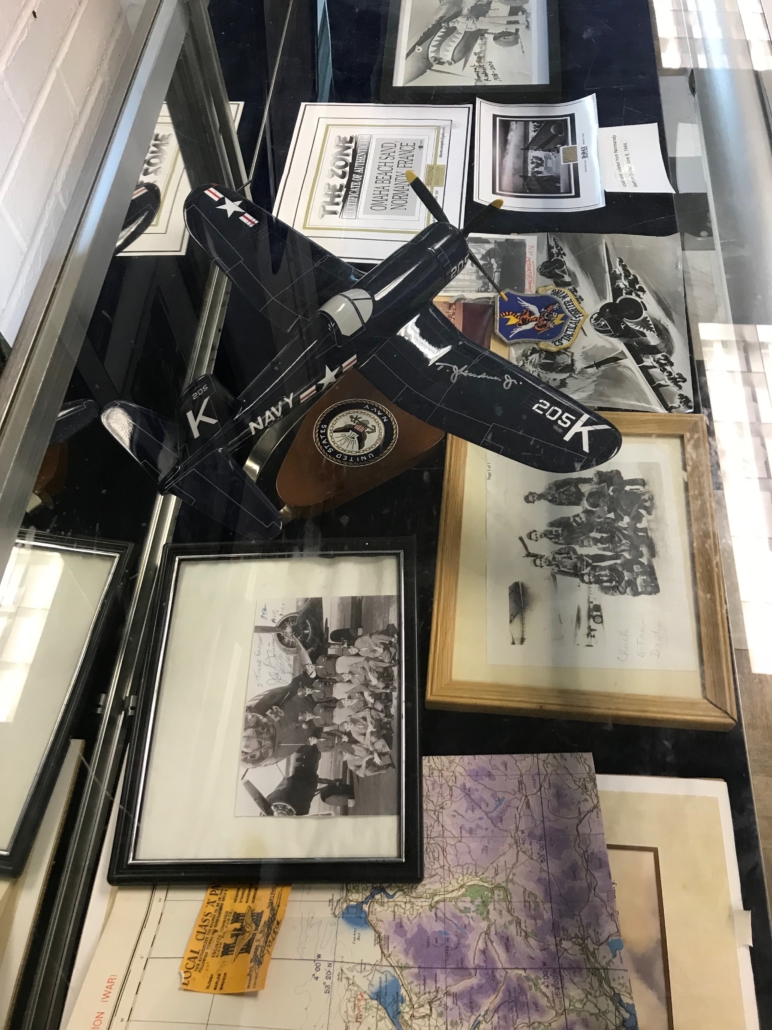
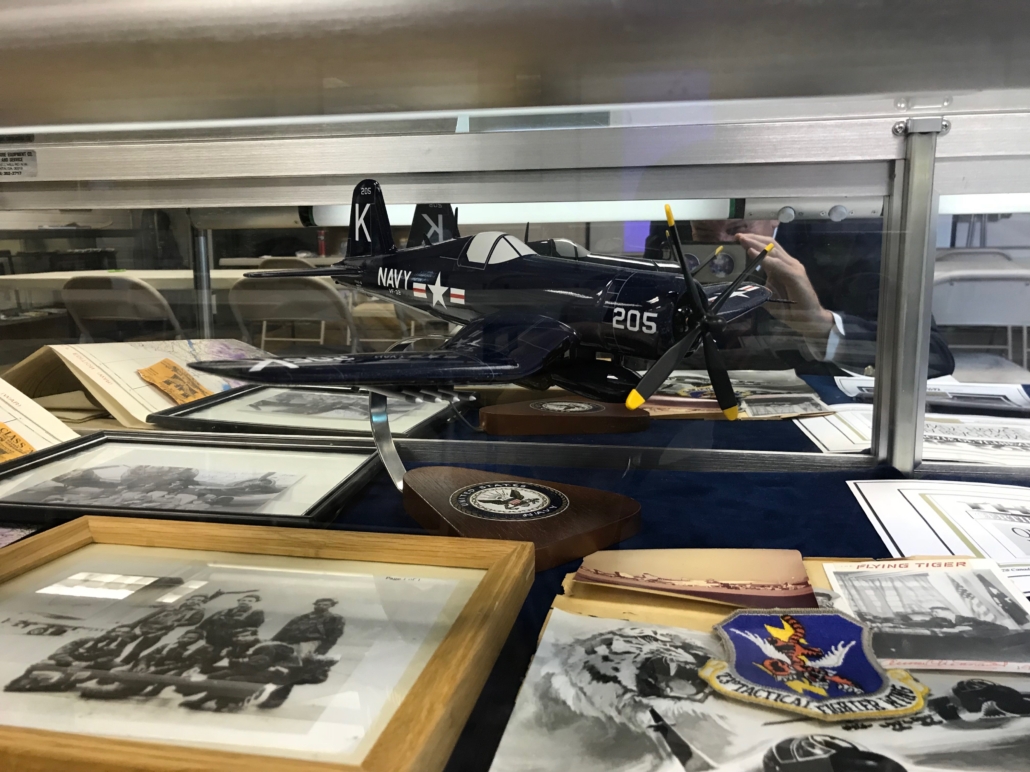
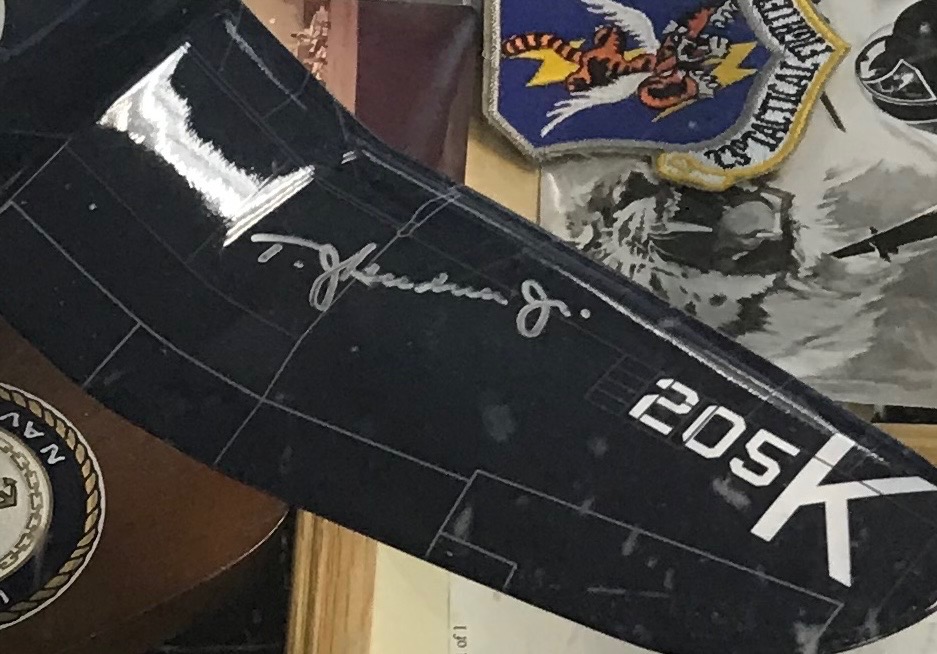
Prior to his passing in 2017, Captain Tom Hudner USN ret. signed 10 models depicting the Corsair that he flew on that fateful day. The MUSEUM OF FLIGHT has one in our collection. The model not only stands as part of VF-32’s Jesse’s and Tom’s legacy, but for the bond and friendship they all had for one another.

An unforgettable story of bravery and selflessness, DEVOTION asks the question: How far would you go to save a friend?